
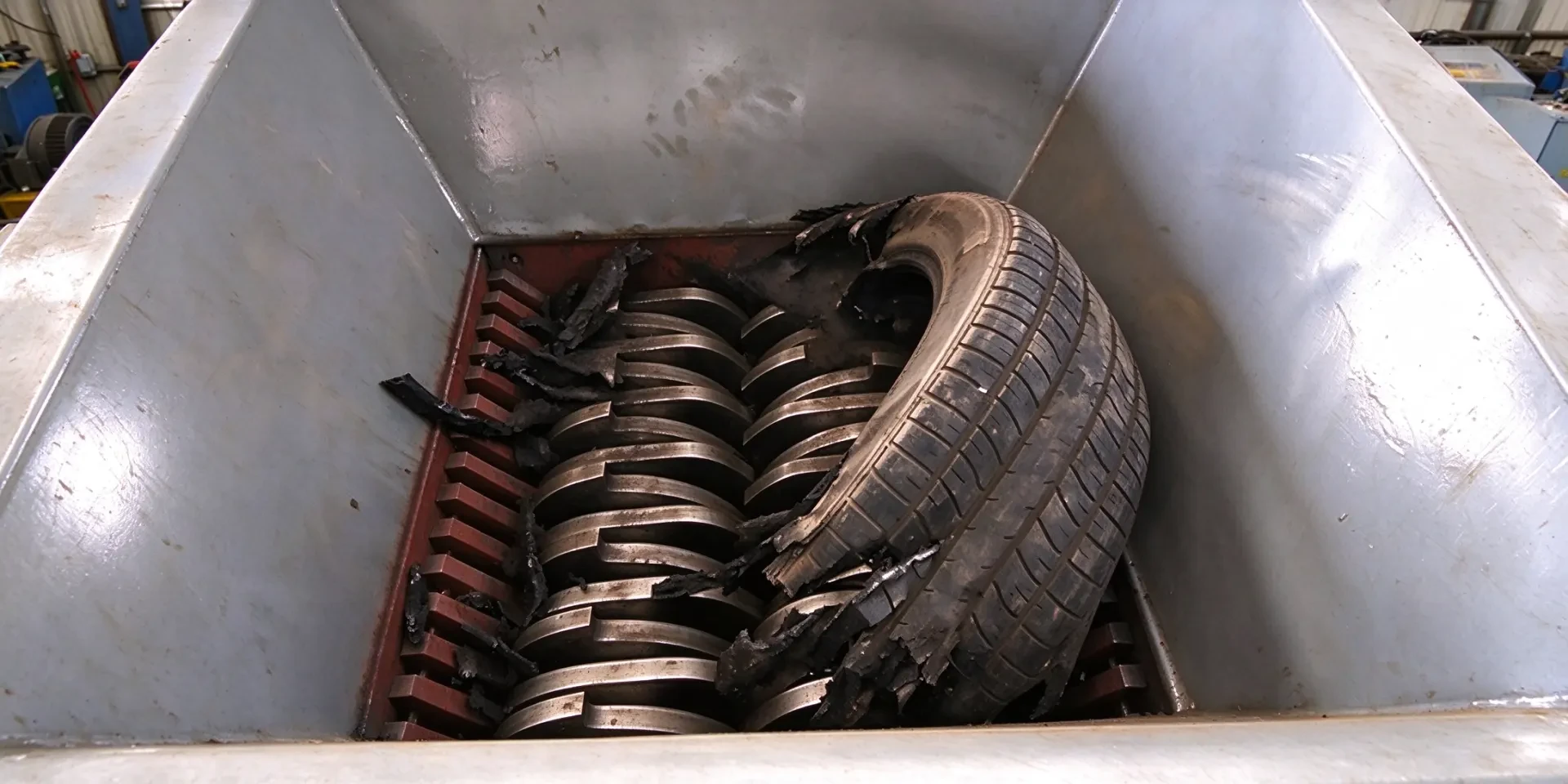
Shredder blades are essential components in industrial size-reduction equipment. However, selecting or replacing a blade is not simply a matter of matching its external dimensions.
Different shredding machines have different structural designs, installation methods, and operating requirements. A blade that does not match the equipment may create installation difficulties or affect the machine's intended operation.
For manufacturers and buyers sourcing custom shredder blades, equipment compatibility should be considered from the beginning.
1. Start with the Shredder Structure
Before developing a replacement blade, it is important to understand the machine in which it will be installed.
Industrial shredders may use different shaft configurations and cutter arrangements, including single-shaft and twin-shaft systems.
The machine structure determines important design details, such as:
Blade dimensions and overall geometry
Mounting hole positions and fixing methods
Blade thickness and spacing
Shaft interface and installation arrangement
These details should be confirmed against the original component, technical drawing, or equipment specifications.
2. Consider the Material Being Processed
The material being shredded is another important factor in blade selection.
Different applications may involve:
Waste tires
Plastic materials
Industrial waste
Electronic waste
Wood and other processing materials
The physical characteristics of the feed material and the working conditions can influence the required blade design and material selection.
For this reason, buyers should provide information about the intended application rather than selecting a blade based only on its appearance.
3. Material Selection Should Match the Application
Shredder blades can be manufactured using different material combinations depending on the design and application.
For example:
Steel-Based Blades
Steel is commonly used as the structural material for industrial shredder cutters. The specific steel grade should be selected according to the blade design and working requirements.
Carbide-Tipped Blades
Tungsten carbide can be incorporated into selected blade designs where additional wear resistance is required in specific working areas.
Cermet Blades
Cermet materials, such as TiC-Ni systems, can also be considered for suitable applications. Their suitability should be evaluated according to the operating conditions and the customer's requirements.
There is no single material solution for every shredding application. The selection should be based on the actual working environment.
4. Why Drawings and Samples Matter
For custom shredder blade manufacturing, drawings and physical samples help reduce uncertainty during product development.
Useful information includes:
Overall dimensions
Blade thickness and geometry
Mounting holes and fixing details
Material requirements
Processed material and application
Required quantity
If a complete drawing is unavailable, photographs and an existing sample can help communicate the product structure.
The more accurately the requirements are defined, the easier it is to evaluate manufacturing feasibility and product compatibility.
5. Custom Manufacturing for Different Requirements
Different shredding machines and applications may require different blade configurations.
At Zigong Brace Cemented Carbide, we focus on customized carbide products and components based on customer drawings, samples, and technical specifications.
For shredder blade projects, we can discuss requirements involving:
Custom blade dimensions
Steel and carbide material combinations
Blade geometry and configuration
Application-specific product requirements
OEM manufacturing
Our goal is to develop products according to the customer's actual specifications rather than offering a one-size-fits-all solution.
6. What Should Buyers Confirm Before Ordering?
Before placing an order for custom shredder blades, buyers should confirm the following:
What type of shredder will use the blades?
What material will the machine process?
What are the required blade dimensions?
How are the blades mounted?
What material combination is required?
Are drawings, photographs, or existing samples available?
These details provide a practical starting point for discussing a custom blade project.
Work with a Custom Shredder Blade Manufacturer
Choosing the right shredder blade involves more than selecting a material or matching a size. Equipment compatibility, blade geometry, material requirements, and application conditions all need to be considered together.
Zigong Brace Cemented Carbide Co., Ltd. provides customized tungsten carbide products and industrial wear components based on customer requirements.
If you are sourcing custom shredder blades, feel free to share your drawings, samples, or technical specifications with us.
Contact Brace Carbide to discuss your custom shredder blade requirements.
Website: https://bracecarbide.com/